Guides
Dumpster Rental Equipment Checklist for Dispatch Readiness
Dumpster rental equipment checklist for truck, container, yard and cab readiness, with site, safety and facility details to confirm before dispatch.
What to take away
- This dumpster rental equipment checklist is a readiness list, not a fleet-sizing or price guide. Confirm the items and operating requirements below before dispatching a truck or container.
- Most of what a first operator forgets is not equipment. It is the small consumable that turns a delivery into a professional one, and the spare that keeps a truck moving on a Saturday.
- Buy for the work you have sold, not for the work you hope to sell. Fleet variety is the most expensive form of optimism in this trade.
Before you order anything
Three facts have to be written down first. Each one determines whether the checklist items below fit your routes and operating requirements.
Which facility takes your material, what it refuses, and how far away it is. What the towns you serve require for a container placed on a public street. And which authorities have told you what applies to your vehicle and your operation, which is what the licensing and compliance guide is for.
Gate: until you can state those three, you cannot confirm that the equipment and markings below fit your routes, sites and accepted materials.
On the truck
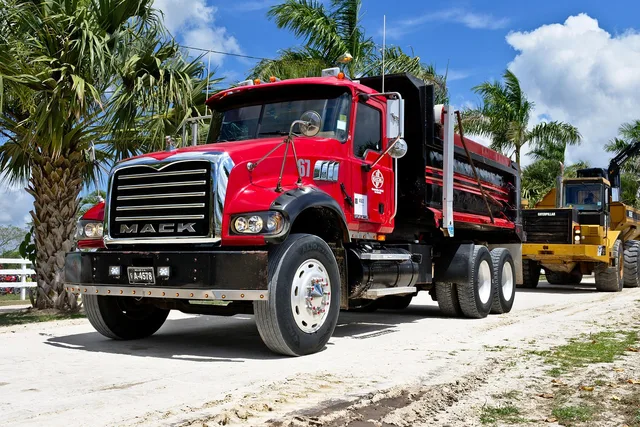
- Hoist manufacturer's documentation, including the stated maximum container length and rated capacity, kept where you can find it rather than in a drawer.
- Securement equipment appropriate to the containers you carry, in serviceable condition, with spares.
- Covering system, fitted and working, that a driver can operate without climbing on a loaded box.
- Wheel chocks.
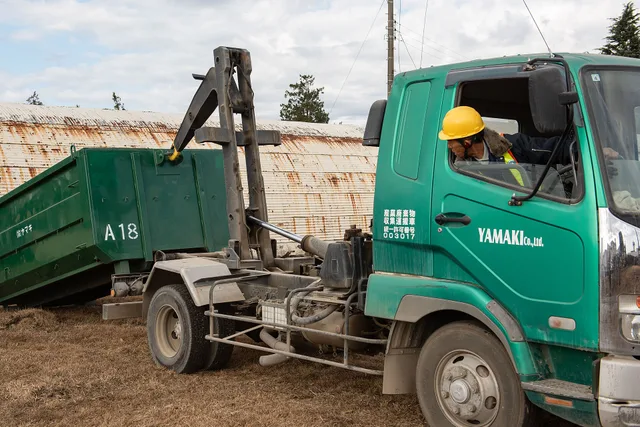
- A spare cable or the hook-lift equivalent, depending on your system, plus the tools to change it.
- Hydraulic fluid, a rag supply, and a way to catch a spill.
- Working lights, mirrors and beacon, checked as a daily habit rather than an annual one.
- Fire extinguisher, first aid kit, and reflective triangles or equivalent warning devices.
Settle in writing how the load stays put, not by habit. The Federal Motor Carrier Safety Administration publishes rules on securing cargo covering roll-on, roll-off and hook-lift containers.
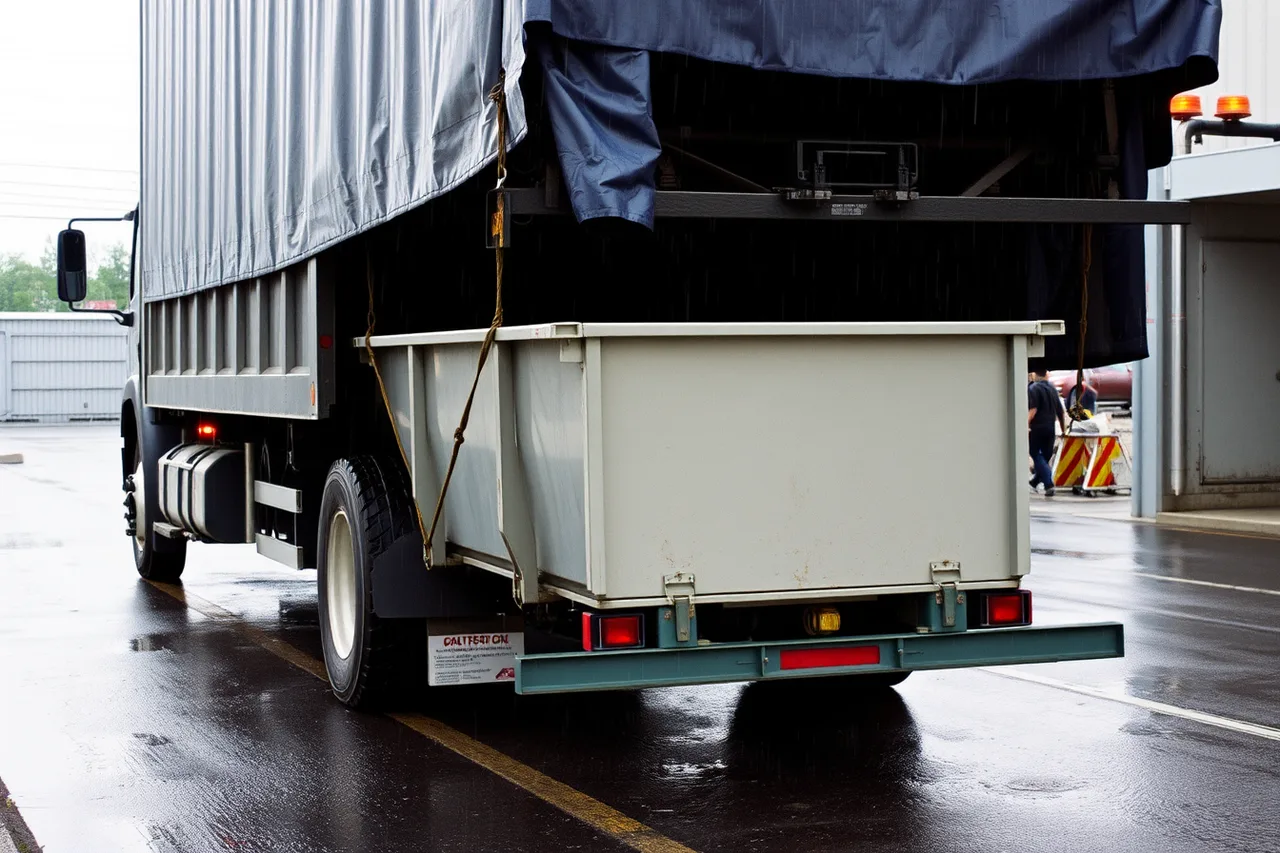
What applies to your vehicle and operation is a question for that agency and your state. Buy equipment that makes the answer easy for a driver on a wet morning.
On each container
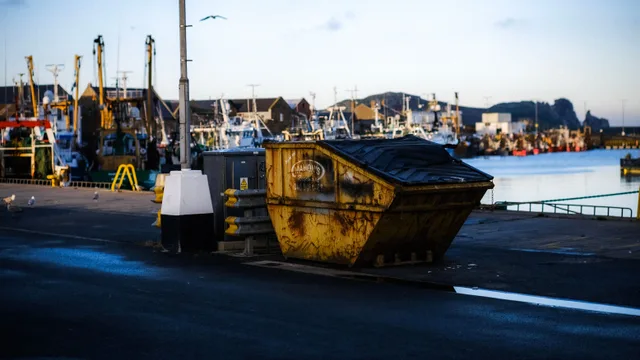
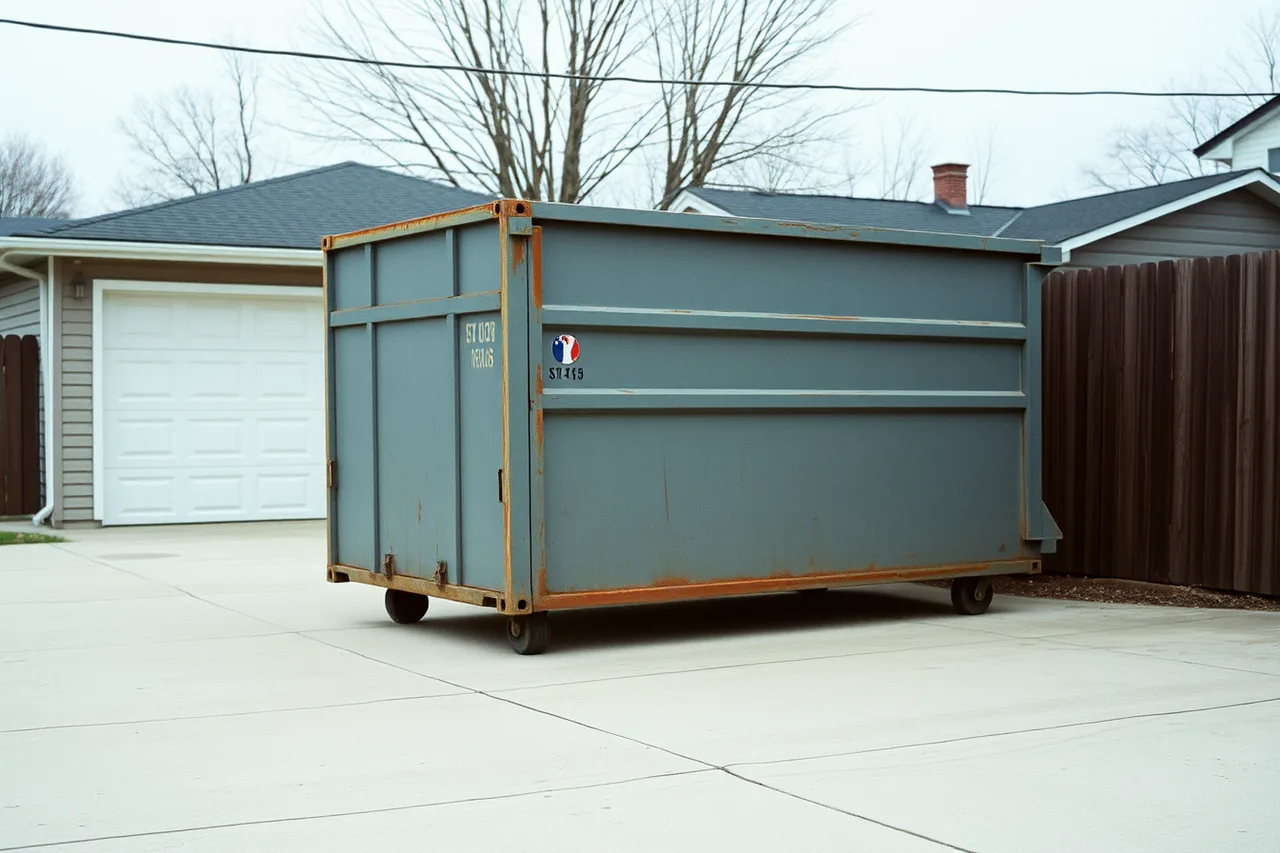
- A number, painted large enough to read from the cab, on more than one face.
- Your business name and phone number, legible from the street. A container in a driveway is your most-seen advertisement and the most common way a neighbor finds you.
- Door latches that work and a door seal that is intact.
- Reflective marking appropriate to how and where the container sits, which is a question for the municipal permit office in each town you serve.
- A fill line or rail marking, so a customer has a visible answer to how full is too full.
- A short placard listing what may not go in it, in plain words, positioned where somebody loading will actually see it.
That last item pays for itself the first time it prevents a refused load. The specific materials belong on it are set by the facility you use and by your state environmental agency, so write the placard after you have asked both rather than from a template.
In the yard
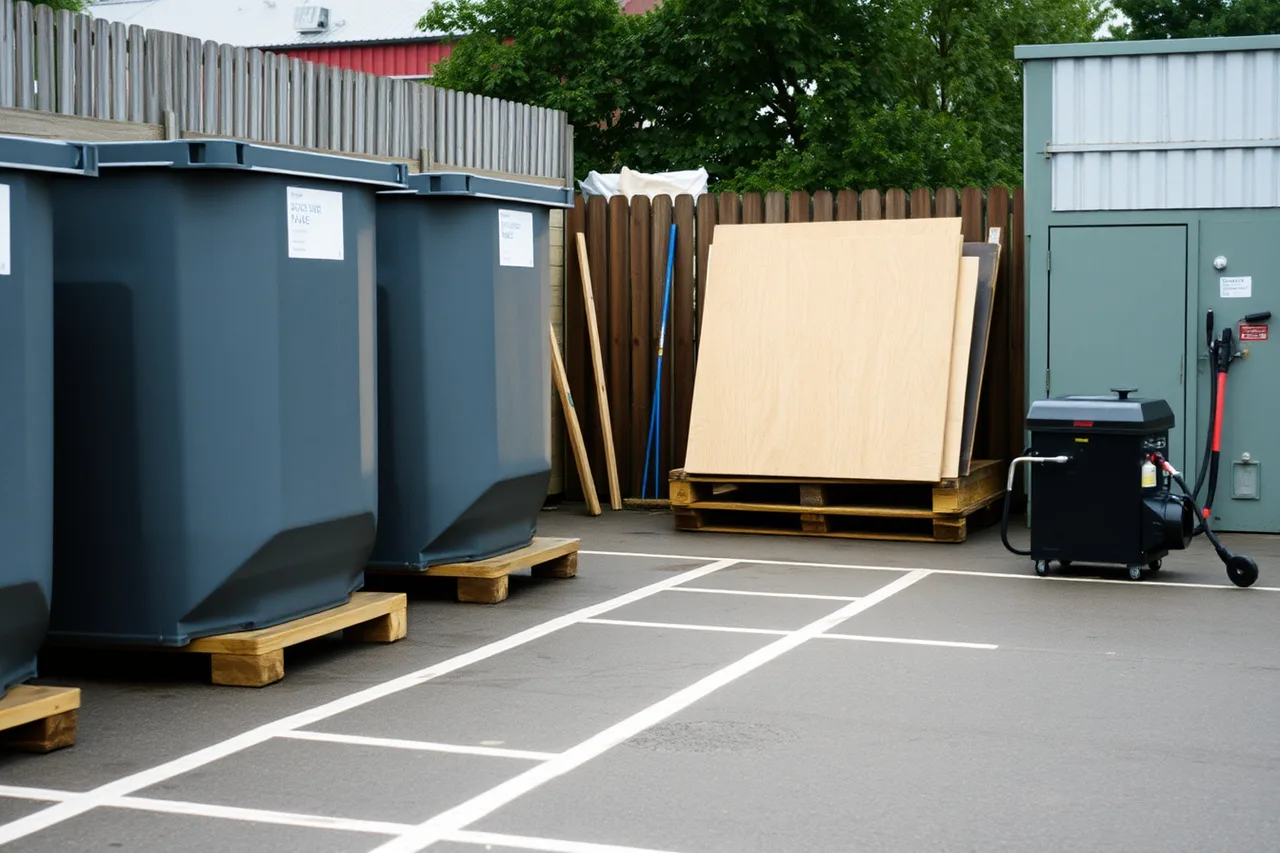
- Blocking and cribbing for setting containers down level.
- Enough plywood or matting to protect a driveway on every job you run in a day, plus spares, because it gets damaged and left behind.
- A hard, drained surface where you can set a loaded box without it sinking.
- Marked lanes and a written rule about who moves when, if a machine and people share the space.
- Welding capability or a standing relationship with somebody who has it and answers the phone.
- Pressure washer, brooms, shovels and a place for the material that falls out of containers.
- Secure storage for tools and consumables.
If you move steel with a forklift or a loader, training and traffic questions are not optional. OSHA's powered industrial trucks and their hazards sets out operator competence, inspection, and pedestrian considerations.
A small operation without a compliance department can build those habits using OSHA's guidance on a workplace safety and health program.
Carried in the cab
- Gloves, eye protection, boots, high-visibility clothing.
- A camera that timestamps, or a phone with the habit attached to it, because photographs of the placement are the only evidence that settles a driveway argument.
- Printed copies of your terms and the prohibited-materials list, to hand over rather than to email later.
- Facility hours, the last accepted load time, and the phone number for the scale house.
- A pen and a paper backup for the day's schedule. Systems fail on the days you are busiest.
- Basic hand tools and a means of clearing a latch that has been jammed by debris.
What gets bought as equipment but is not
Three purchases feel like equipment and are actually decisions in disguise.
An extra container size, bought because a caller asked for it once. That is a fleet strategy change, and it belongs in the reasoning in the equipment and setup guide rather than in a purchase order.
A second truck, bought because the first one is busy. Busy is not the same as full, and the difference is turn time. Whether capacity is genuinely the constraint is worked through in the expansion and market guide.
Software gets bought before the process it is meant to run exists on paper. A dispatch tool automates what you already do, including the parts that fail. That is why the operations and workflow guide comes first.
Keeping steel serviceable is a maintenance discipline, not a purchase. the delivery and maintenance guide covers what that involves.
Gate: before any purchase over a threshold you set yourself, write one sentence saying which constraint it removes. If you cannot name the constraint, the purchase is a preference.
Common questions
How many containers should be on this list?
The list does not say, because the answer comes from your turn time and the jobs you have sold. Buying steel to a round number is how yards fill up with boxes that never leave.
Is a spare cable really necessary on day one?
On the day it breaks, yes, and it will not break at a convenient hour. It is a small cost against a truck that cannot work.
Do I need my own welding setup?
Not necessarily, but you need somebody. A container with a cracked weld is out of service until it is fixed, and out of service is the state that costs the most.
What about plywood, is it worth the hassle?
It is the cheapest item on this list and it prevents the most expensive argument. A loaded container concentrates a lot of weight on a small footprint, and a cracked driveway is a claim, a bad review and a lost customer at once.
Where do people overspend?
On the truck's appearance and on container variety. Neither moves turn time, and turn time is what pays for equipment.