Guides
How to keep dumpster rental containers and hoists road-ready
Dumpster rental delivery craft and maintenance: reading a surface before setting steel on it, the overhead check, and keeping containers and hoists available.
What to take away
- Placement is the skilled part of this job. A container set down badly generates the most expensive customer disputes in the trade, and almost all of them are preventable in the two minutes before the box comes off the truck.
- A loaded container concentrates a great deal of weight on a very small footprint. That is the physical fact behind every cracked driveway argument.
- Maintenance here is not about breakdowns. It is about availability: a container in a repair queue earns nothing while continuing to cost everything.
- The two habits that pay best are laying protection before positioning and photographing the ground before and after. Both are free and both are skipped when the day is behind.
Placement is the craft
The truck can put a container almost anywhere. Whether it should is a judgment made by a driver standing on the ground, and it is worth training deliberately rather than leaving to instinct.
Four things get read before anything moves. The surface and what is under it. The slope, both along the container and across it. The approach, including whether the truck can get square to the position. And what is overhead.
None of that takes long. All of it is impossible once the container is down.
Reading the ground
| Surface | What to watch | What to do |
|---|---|---|
| Asphalt driveway | Softens in heat, marks easily under concentrated load | Lay protection under rails and wheels, and set down gently rather than dropping |
| Concrete slab or apron | Hidden cracks, thin sections, and utilities beneath | Protect, position across the strongest span you can identify, and ask about anything buried |
| Pavers or decorative surface | Individual units shift and chip; repairs are visible forever | Prefer another position entirely, and say why |
| Gravel or dirt | Sinks after rain, and a sunk container is hard to recover | Check drainage, and consider setting on boards |
| Lawn or soft ground | Ruts from the truck are the damage, not the container | Walk the approach first, and decline in wet conditions |
| Street or right of way | Permission, marking and duration are governed locally | Confirm the permit position with the municipal permit office before the delivery is scheduled |
The last row is not a placement decision at all, it is a scheduling one. Where a container is going in the roadway, the process and lead time belong to the town, and how to establish that per municipality is covered in the licensing and compliance guide.
Protection is the cheapest insurance in this business. Plywood or matting under the rails and the wheels spreads the load. It goes down before the container is positioned, not wedged under it afterward. Where a customer declines protection to save time, that is the moment to explain what a loaded box does to a surface, not after.
The overhead check
Look up before backing in, every time.
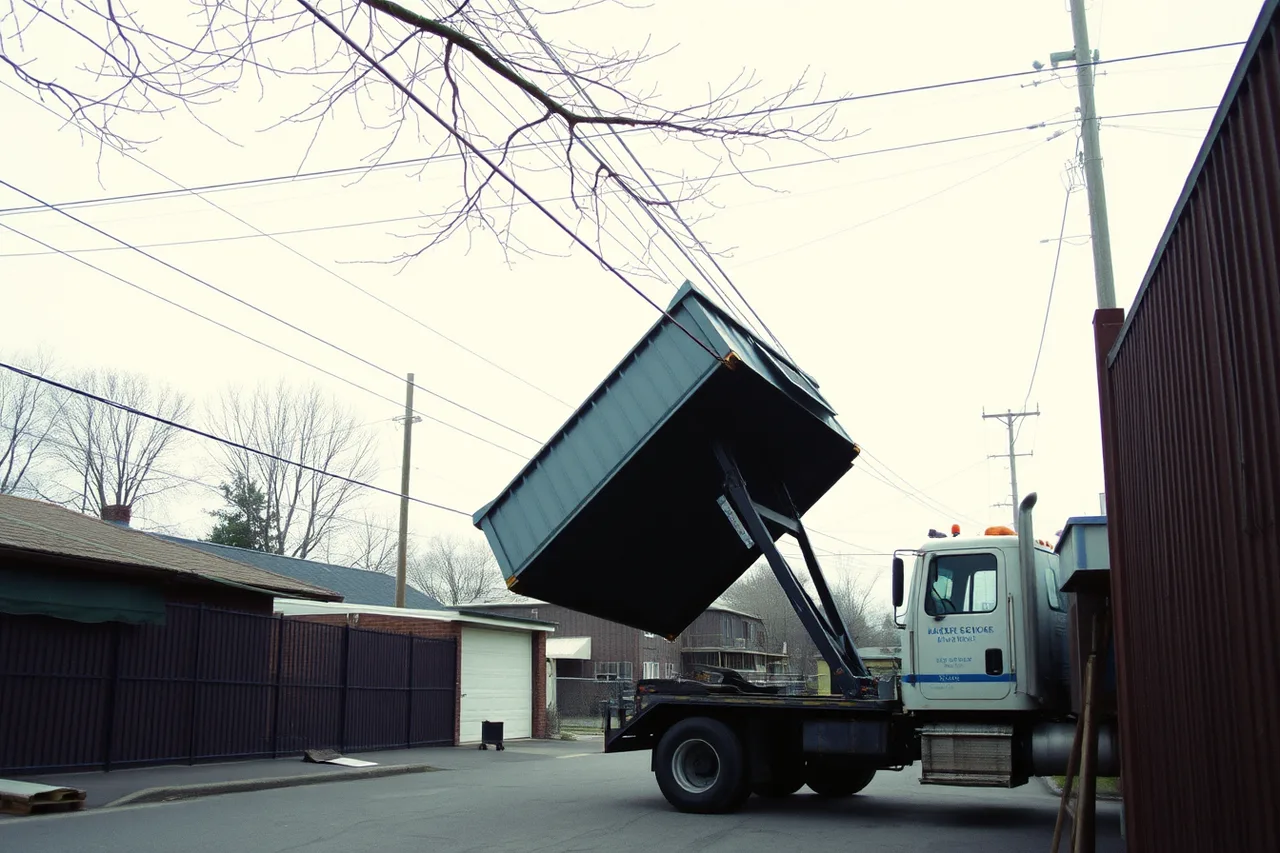
A raised container or an extended hoist reaches considerably higher than the vehicle. Wires, branches, soffits, gutters, carport roofs and low signs are all in play, and contact with any of them turns a routine delivery into an incident.
Where wires cross the working area, the correct answer is a different position or a different day, not a careful attempt. That is a rule to state as a rule, because a driver deciding it alone under time pressure will occasionally decide wrong.
What the customer is told at the drop
The delivery is also the only moment you have their attention.
Point at the fill line and say plainly that material above the rails cannot be hauled. Point at the prohibited materials placard and name the categories that actually cause refusals locally, which come from your disposal facility and your state environmental agency rather than from a general list. Restate the rental period, the weight allowance and the pull arrangement.
Then photograph the placement, including the ground, before you leave. That photograph is the entire evidence base for a surface-damage conversation, and it costs seconds.
The slope nobody thinks about
Level matters in two directions and drivers reliably check only one.
Along the container, a slope means the load settles toward one end, which changes how it comes back onto the truck and how the weight sits over the axles. Across the container, a slope means the door hangs out of square, and a door that will not latch on a loaded box is a problem discovered at the worst moment.
On any incline, consider a third point: the container can move. Where the ground falls away, set the position so the container rests against something solid instead of being free to travel.
When that is impossible, choose a different position. This is one of the few placement questions where the right answer is often to walk back to the customer and say no.
Maintaining the container
Containers do not fail dramatically. They degrade, and then one day a door will not close or a rail will not run.
Inspect on return every time as part of the move, not as a scheduled task.
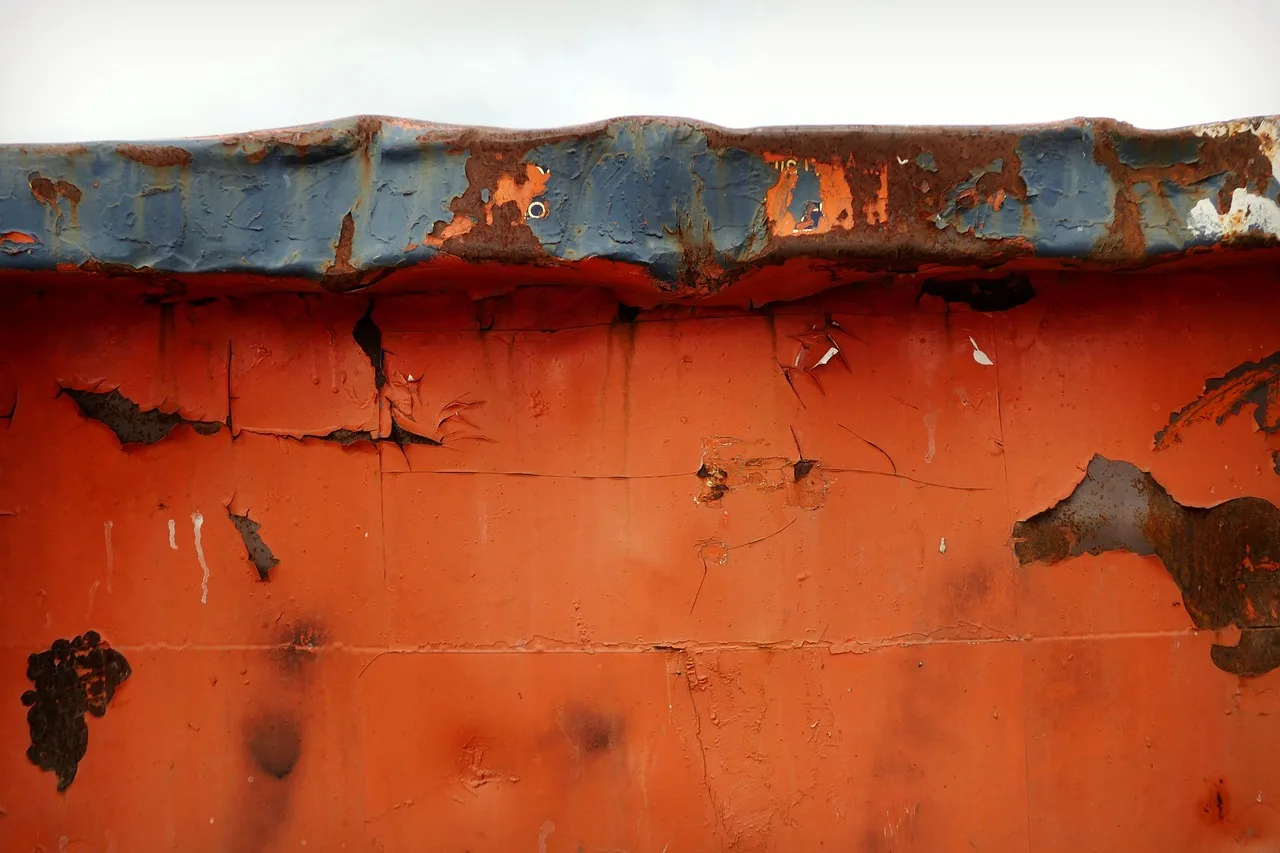
Check rails for wear and bending, floor for thinning and pinholes, seams for splits, door for hinge wear and a dropped or bowed header, and latches for damage or improvised parts. Check the painted number is still legible from a distance, because an unreadable number breaks records.
Repair on a schedule rather than on failure, and keep the parts you cannot wait for. A container out of service produces nothing, which is why the arithmetic of downtime is worth understanding rather than absorbing.
Maintaining the hoist and the truck
The truck is the single point of failure for the entire operation. One vehicle down is every job down.
Daily, before rolling: fluid levels, visible leaks, hoses where they pass a frame member, the cable along its length or the hook-lift equivalent, securement equipment, the covering system, lights and mirrors. Weekly: cylinder condition, pin and bushing wear, greasing on schedule, and a full cycle of the hoist watched for hesitation or drift.
Anything beyond checking means working on a machine that stores energy in hydraulics and in raised components. OSHA's standard on the control of hazardous energy describes lockout and tagout expectations for servicing and maintenance, and this is the area of a small operation most likely to have a habit rather than a procedure. It deserves a written one.
The same applies to the yard, where steel gets moved by machine around people on foot. OSHA's material on powered industrial trucks covers operator competence, inspection and pedestrian traffic, and the moment a maintenance job spills out of a bay into a working yard is exactly when that matters.
Keeping the record
Every inspection, repair and part goes against a unit number with a date. That record does three jobs: it tells you which units are quietly expensive, it supports the asset side of your books, and it is what an insurer or an inspector will ask to see.
The Internal Revenue Service sets out the records a business should keep in support of purchases, assets and expenses. Once those records live on a computer, they are worth protecting like any other business system, and NIST publishes quick-start guides written for small businesses covering backups and access control in plain terms.
What the equipment can physically do, and how the hoist constrains the containers, is set out in the equipment and setup guide. Where these moves sit inside the daily cycle is covered in the operations and workflow guide.
The cost of the protection and care described here belongs in the price rather than being absorbed, which is worked through in the pricing and profit guide. How facility distance shapes the whole delivery model is discussed in the startup and market guide.
Common questions
Is protection under the container really necessary on a good driveway?
A good driveway is exactly where the damage is most visible and the customer most upset. The material costs little and the argument costs a customer.
What do I do if the only viable placement will damage something?
Say so before unloading, offer the alternatives, and get a decision from the authorized contact. A container placed after that conversation is a different situation from one placed without it.
How often should containers be inspected?
At every return, briefly, plus a longer look on a fixed cycle. The return inspection catches the damage that would otherwise appear at a customer's house.
Should a driver ever repair a hoist at the roadside?
Checking and topping fluids, yes. Anything involving stored energy or raised components belongs in a controlled setting with a written procedure, not on a shoulder with the schedule running.
What is the most commonly deferred maintenance item?
The cable or its equivalent. It degrades gradually, it is inconvenient to inspect fully, and it stops the truck completely when it fails.