Guides
What a dumpster rental business keeps in stock, and who supplies it
A dumpster rental business stocks steel roll-off containers, heavy-duty tarps, ratchets, and safety gear, plus the suppliers that sell each item.
What to take away
- The stock list splits into three groupscontainers, the trucks and hoists that move them, and the consumables that go out with every haul.
- Container sizes run 10, 15, 20, 30 and 40 yards, and the mix matters more than the total count.
- Consumables are the line item owners forgettarps, ratchets, spray paint, signage, lock bars and spill kits leave the yard and rarely come back.
- Buy steel from a manufacturer or a used-equipment dealer, tires and parts from a distributor, and consumables from an industrial supplier.
- Every price in this trade moves with steel, freight and region, so get current quotes rather than working from a number in an article.
The containers themselves
Containers are the inventory. Everything else exists to move, protect or repair them.
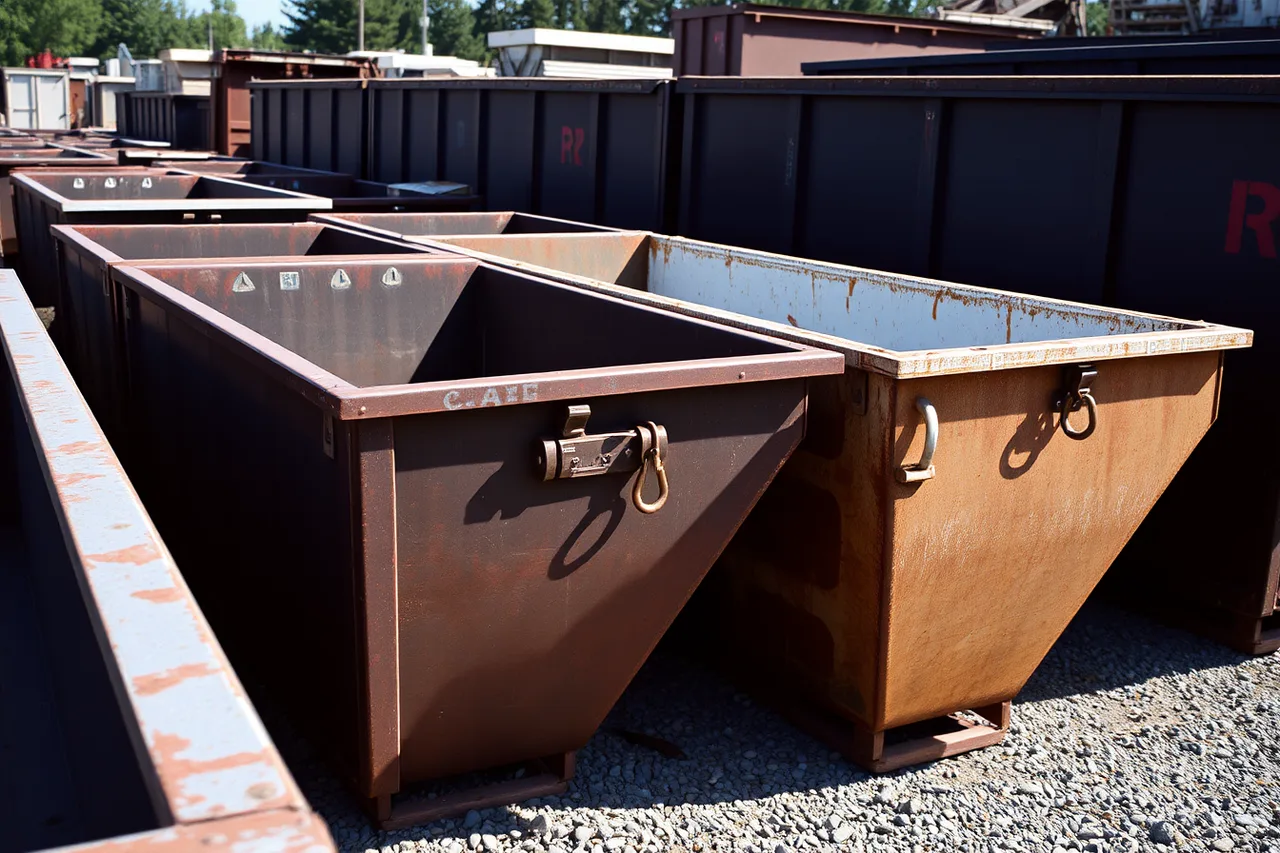
Roll-off containers come in 10, 15, 20, 30 and 40 cubic yard sizes. The 10 and 15 yard boxes suit tight driveways, concrete and dirt, where weight matters more than volume. The 20 yard is the residential workhorse. The 30 and 40 yard boxes go to construction and demolition debris, where the load is bulky and light.
A working stock list also carries the odd pieces: a few 6 yard mini containers if you serve homeowners, and at least one box kept empty as a swap unit for same-day exchanges.
Two numbers decide whether a container stays in service. The first is the floor thickness, measured in gauge or in fractions of an inch. The second is whether the rails and the hook plate are still straight. A box with a bowed floor will not sit flat, and a bent hook plate will not latch.
Manufacturers to price against include Wastequip, Galbreath, Heil, Ameri-Kan and Bobcat. Each publishes a spec sheet with floor gauge, rail height and capacity. Compare those sheets, not the sticker.
Used containers trade through dealers and through other haulers. A used 20 yard box typically costs a fraction of a new one, and the discount is real when the floor is sound. Inspect the floor, the rails and the hook before you buy.
Renting containers from another operator covers a seasonal peak without adding steel to your balance sheet. The trade-offs are worked through in the inventory and sourcing guide.
Trucks, hoists and the parts that fail
The second group is the equipment that lifts and carries. This is where the capital sits and where the downtime hurts.
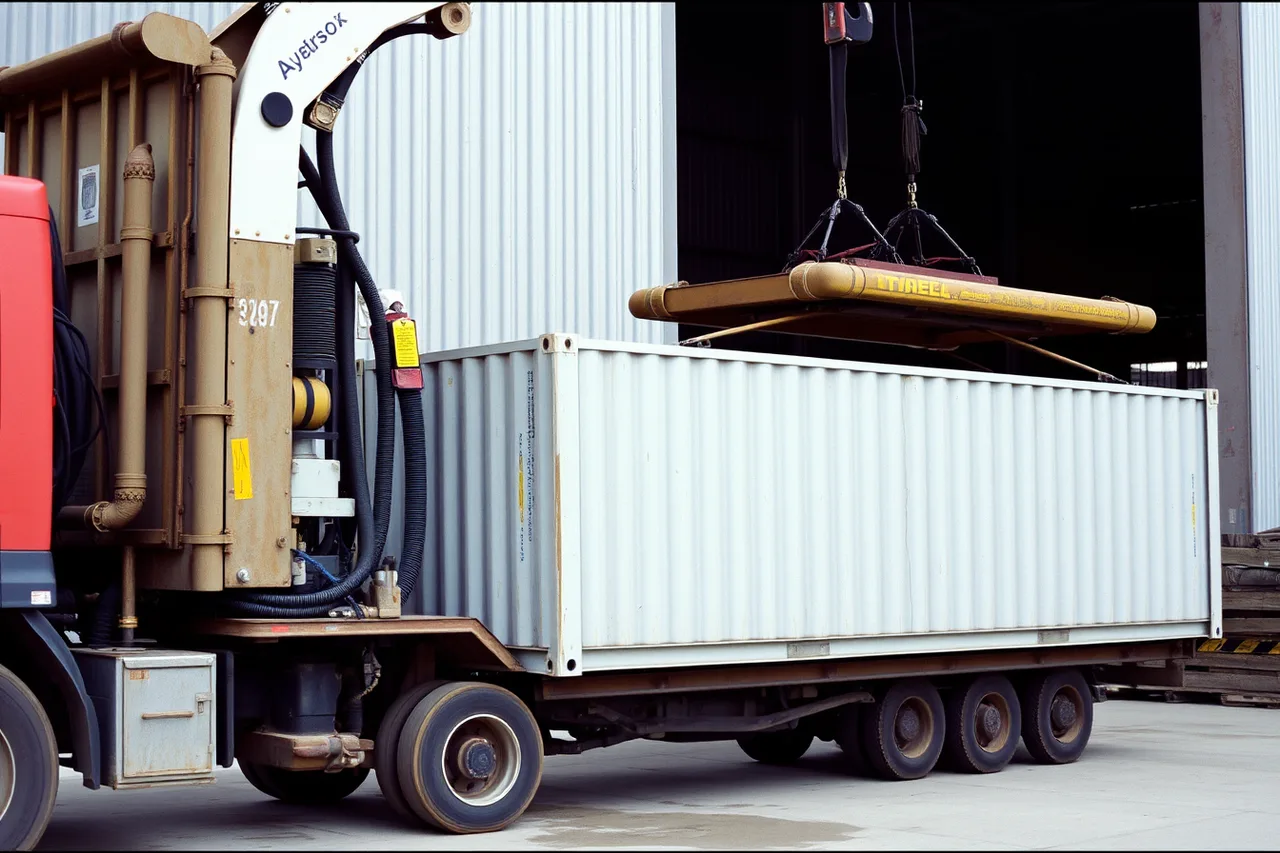
Roll-off trucks are built on Class 7 and Class 8 chassis. Common names are Peterbilt, Kenworth, Freightliner, Mack and International. The hoist on the back is a separate purchase, and the main builders are Galbreath, American Roll-Off, Wastequip and Dragon.
A cable hoist and a hook-lift hoist are not interchangeable. Cable hoists pull the container on with a winch and a cable. Hook lifts pick the box with a hydraulic hook. A fleet that runs both needs containers rated for each, and a box built for one will not work on the other.
Consumables on the truck side include these items:
- hydraulic hose
- winch cable
- sheaves
- rollers
- pins
- bushings
- lights
- mud flaps
- tires Keep a spare cable and a spare set of rollers on the shelf. A cable that fails on a Friday afternoon costs a weekend of hauls.
Preventive maintenance intervals belong in the manufacturer's manual, not in a general article. Follow the manual and the DOT rules that apply to your vehicle. The Federal Motor Carrier Safety Administration's cargo securement rules cover how a container rides on the truck.
Truck and hoist upkeep is covered in the delivery and maintenance guide, and the buying decisions are set out in the equipment and setup guide.
The consumables that leave the yard
This is the group that quietly eats margin. None of it is expensive, and all of it walks away.
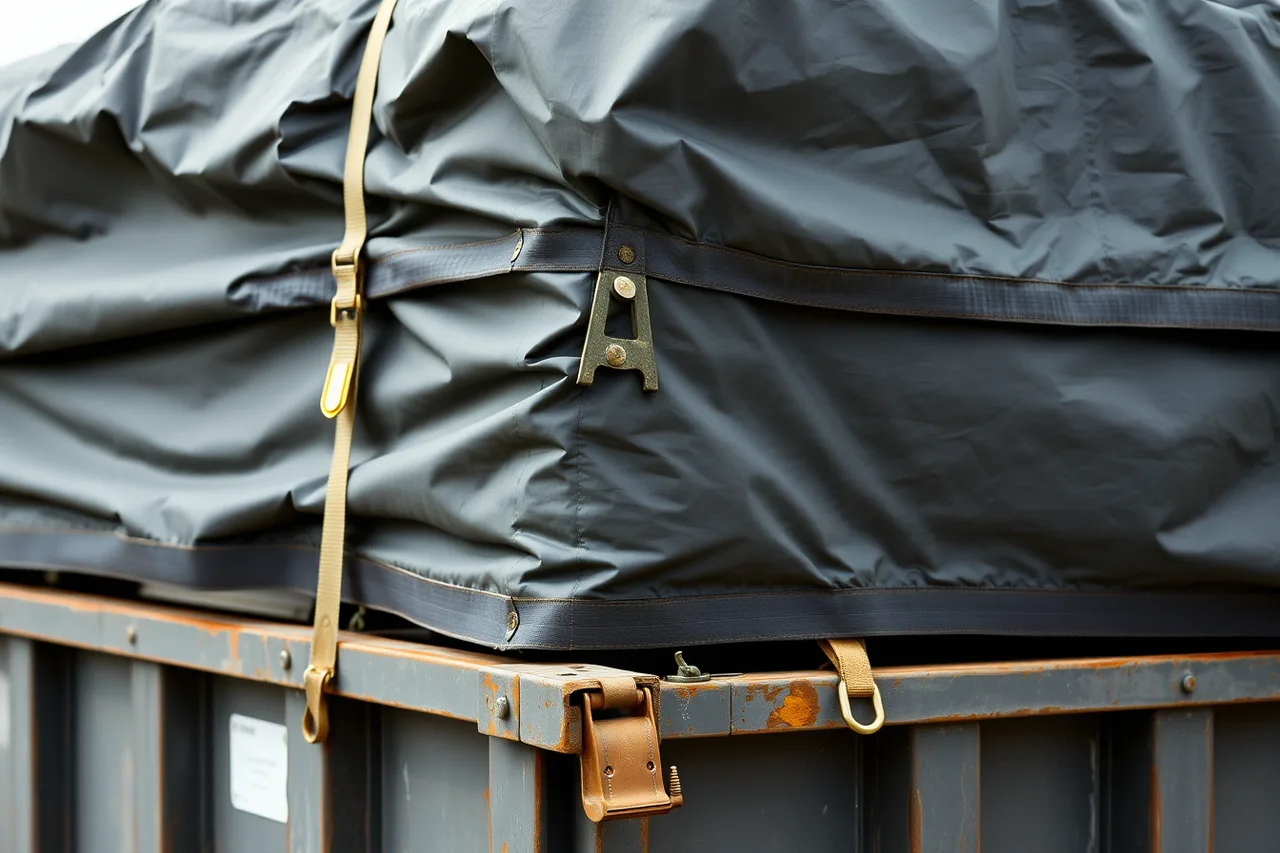
- Tarps, in the sizes that match your containers, plus the ratchets and straps that hold them down.
- Lock bars and padlocks, for accounts that need the box secured overnight.
- Spray paint and stencils, for unit numbers and for marking the fill line.
- Signage"no hazardous waste", "no tires", "no liquids", and the weight-limit placard.
- Spill kits, absorbent, and a broom and shovel on every truck.
- Weight tickets, delivery tickets and a clipboard or tablet that survives a rainy day.
- Work gloves, safety vests and hard hats for anyone on the ground near the hoist.
- Dumpster rental software or a dispatch board, whichever your operation runs on.
Set a reorder point for each item and count the shelf monthly. The count is the control. A tarp that is not on the shelf is a tarp you will buy again next week.
Pedestrian and operator safety around the equipment is a separate matter. OSHA's guidance on powered industrial truck hazards covers the questions that come with people working near moving machinery.
Who supplies what
Suppliers fall into four groups. Get two quotes in each group before you commit.
| Group | What they supply | Named examples | How they price |
|---|---|---|---|
| Container manufacturers | New roll-off boxes, 10 to 40 yard | Wastequip, Galbreath, Heil, Ameri-Kan | Per unit, quoted by size and floor gauge |
| Hoist builders | Cable hoists, hook lifts, parts | Galbreath, American Roll-Off, Wastequip, Dragon | Per unit, installed |
| Truck dealers | Class 7 and 8 chassis | Peterbilt, Kenworth, Freightliner, Mack, International | Per unit, new or used |
| Industrial distributors | Tarps, ratchets, spill kits, PPE, hardware | Grainger, Fastenal, Motion Industries, local rigging shops | Per item, contract pricing available |
Used equipment moves through dealers and through auction houses, and through other haulers direct. A used box or hoist bought from a dealer usually carries a short warranty. A box bought at auction does not.
Freight is part of the price. A container is heavy and awkward, and shipping one across three states can cost more than the box is worth. Buy from the closest supplier who has the size you need.
Common questions
How many containers should a small fleet own?
It depends on your booking rate, your cycle length and your availability, not on a rule of thumb. Run the arithmetic on your own records before you buy. A borrowed ratio carries the other operator's customer mix.
New containers or used?
New boxes carry a warranty and a known floor gauge. Used boxes cost less and can be a good buy if the floor, rails and hook plate are sound. Inspect in person, and price the freight before you agree.
Where do I find suppliers near me?
Start with the manufacturers' dealer locators, then call the two closest dealers in each group. Ask for a spec sheet and a delivered price. Local rigging and industrial supply shops often beat the national distributors on consumables.
What records should I keep for all this?
Keep purchase receipts, spec sheets, warranties and maintenance logs for every container and truck. The IRS sets out what a business should keep to support its assets. Add a container-by-container service log so you know which boxes are near the end of their life.
Do I need permits to add containers or trucks?
That is set locally, by your county or city and your state environmental agency. Adding capacity can trigger a new registration or a site review. The licensing and compliance guide covers how to establish what applies to you, and the expansion and market guide covers the growth question that comes with it.