Guides
Houston Storm Planning for Dumpster Rental Dispatch
Houston storm planning for dumpster rental dispatch covers inland staging, route coordination, contract priorities, placement checks, and recovery lessons.
What to take away
- Dumpster rental dispatch in Houston runs on two clocksnormal construction work and a storm clock that starts days before landfall.
- Fleets stage empty roll-offs and extra trucks at inland yards before a hurricane, not during the evacuation window.
- Routing debris hauling means coordinating with City of Houston Solid Waste Management Department crews and posted service schedules.
- Emergency contracts can expand surge capacity; confirm response times, equipment minimums, standby terms and fuel-surcharge language before work begins. FEMA public assistance and SBA disaster assistance are separate recovery channels, not automatic payment to a private hauler.
- Placement has to be checked against current local requirements; verify permits and access conditions before confirming a set.
- The fleets that recover fastest are the ones that wrote their storm playbook in February, not September.
How Houston storm debris surges change roll-off fleet planning
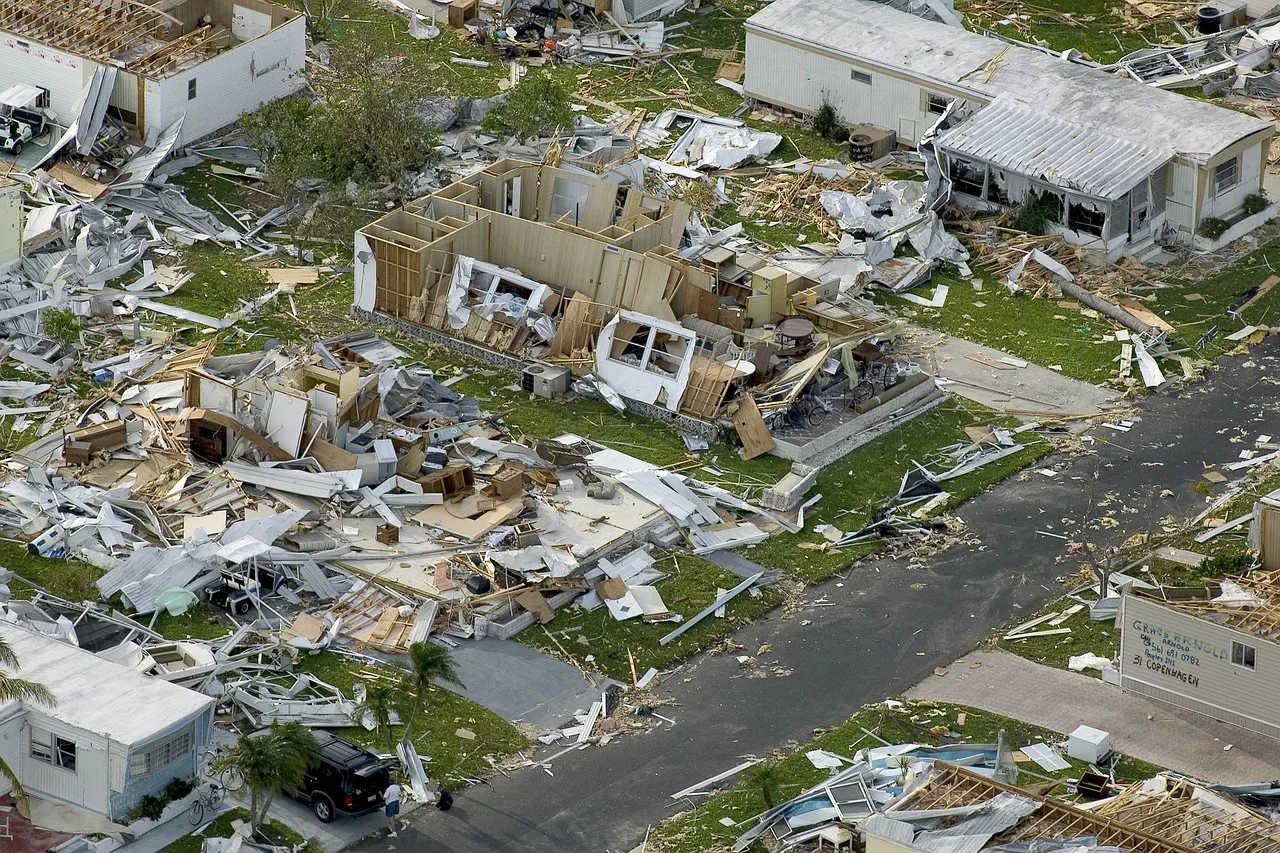
Houston sits in a flood and wind corridor that produces debris in volumes no normal month prepares a fleet for. A single named storm can push more vegetative waste, roofing, fencing and drywall onto curbs than the region handles in a typical quarter. Dispatch stops thinking in single jobs and starts thinking in zones.
Storm Surge Scale Shift
- 40boxes on a normal Tuesday
- 300empties staged within a week
- 20 and 30yard boxes for household debris
- 12hour driver shifts
The first planning change is scale. A fleet that runs 40 boxes on a normal Tuesday may need 300 empties staged within a week, plus trucks to move them. That means calling in owner-operators, renting additional roll-offs from out-of-market yards and holding trailers loaded with containers at the ready.
The second change is mix. Storm work is heavy on 20 and 30 yard boxes for household debris and larger containers for construction and demolition material pulled from damaged buildings. Vegetative debris often goes to separate staging sites so it can be ground and mulched rather than landfilled.
The third change is labor. Drivers who normally work a fixed route get reassigned to twelve hour shifts, and dispatch has to build rest and fueling into a schedule that no longer resembles the normal one.
The working rhythm of a dumpster rental business bends hard in these weeks, and the operations and workflow guide is worth rereading before the season starts.
Staging containers and trucks before a hurricane makes landfall
Staging is the part of surge response that fleets control completely, and it is where most of the money is won or lost. The goal is simple: have containers, trucks, fuel and drivers positioned inland and ready before the storm closes roads and ports.
Pre-Landfall Staging Checklist
- Trigger points written down and shared with drivers
- Inland yard space confirmed and leased if needed
- Fuel and DEF topped off on every truck
- Out-of-market container vendors under verbal agreement
- Driver roster confirmed with phone numbers and backup contacts
- Customer priority list ranked
- Track the forecast and set trigger points. Most Houston fleets start staging when a system is still in the Gulf and roughly five days out, then accelerate if the track holds.
- Move empty containers inland. Yards north and west of the city, away from the ship channel and low-lying areas, keep boxes above expected flood levels.
- Top off fuel and service trucks early. Fuel stations run dry during evacuations, so fleet tanks and cans get filled before the rush.
- Confirm driver availability in writing. Dispatchers collect phone confirmations, hotel arrangements and family plans so nobody disappears mid-event.
- Pre-load trailers with containers and secure them. Loaded trailers can roll the moment roads reopen.
- Print paper copies of routes, contracts and customer lists. Systems go down, and paper still works.
- Trigger points written down and shared with drivers
- Inland yard space confirmed and leased if needed
- Fuel and DEF topped off on every truck
- Out-of-market container vendors under verbal agreement
- Driver roster confirmed with phone numbers and backup contacts
- Customer priority list ranked by contract and hazard
- Paper route packets printed and distributed
Staging also means deciding what not to promise. Fleets that overcommit to retail customers before the storm often fail the municipal and commercial contracts that pay the bills all year. A clear priority list protects those relationships.
Routing debris hauling with the City of Houston Solid Waste Management Department
The City of Houston Solid Waste Management Department runs curbside collection, drop-off sites and the storm debris operation that most haulers eventually plug into. During a debris event, the department publishes collection guidance and neighborhood schedules that dispatch should treat as the backbone of its routing plan.
Fleets that coordinate with the department get two advantages: they know which neighborhoods are being worked on which days, and they avoid sending trucks into streets already congested with city equipment. The department's storm debris and solid waste operations page is the starting point for that coordination.
The City of Houston Solid Waste Management Department posts updates as conditions change.
Service schedules matter just as much. The Solid Waste Dept Service Schedules page is a reference for posted schedules; dispatch should check current city guidance before routing around storm debris work. Do not assume a normal schedule establishes a storm cleanup sequence or roll-off access. Routing a roll-off delivery into a neighborhood on a city collection day can waste a truck.
Practical routing rules Houston dispatchers use during surge:
Surge Routing Rules
- Group stops by council district and subdivision
- Run heaviest trucks on longest legs early
- Keep one truck free each shift for emergency pulls
- Route around neighborhoods on scheduled debris day
The same discipline that makes efficient delivery routes work in normal weeks pays off in a storm, just with tighter tolerances and more improvisation.
Contract capacity and post-storm recovery
Emergency contracts are what let a small Houston fleet scale up without owning everything it needs. Counties, municipal utility districts, school districts and large industrial sites all keep standby agreements or solicit them quickly when a storm is named. Terms usually include unit pricing, response times, equipment minimums and a right to extend.
Emergency Contract Terms to Confirm
Confirm before signing
- Standby pay
- Who pays, how much
- Fuel surcharge
- Formula stated
- Site access
- Inaccessible site terms
- Disputes
- Resolution process
Risk if vague
- Standby pay
- Unpaid standby time
- Fuel surcharge
- Disputed invoices
- Site access
- No payment for blocked site
- Disputes
- Unpaid invoices months later
Before signing, dispatchers should confirm who pays for standby time, how fuel surcharges are calculated, what happens if a site is inaccessible, and how disputes get resolved. Vague contracts become unpaid invoices three months later.
On the public side, FEMA public assistance helps state, local, tribal and territorial governments and certain private nonprofits pay for debris removal and emergency protective measures after a declared event. The Assistance for Governments and Private Non-Profits After a Disaster | FEMA.gov page explains eligibility and the reimbursement process.
Private haulers typically see this money through the government contracts they hold, not directly.
For the business itself, SBA disaster assistance offers low-interest loans to small businesses that suffered economic injury or physical damage. The SBA disaster assistance: Low-interest relief loans - Small Business Administration site covers application deadlines and documentation. Fleets that lose trucks, tires or revenue during a storm should apply early, because the paperwork takes time.
Placement checks during a debris event
Storm response does not make placement assumptions safe. Dispatch should verify the current Houston code of ordinances and any city storm guidance before confirming where a container can sit. The City of Houston eGovernment Center - Code of Ordinances is a starting point for checking current placement and permitting language.
Placement Rule Decision
Does the placement violate the ordinance?
Decline and offer an alternative
Confirm placement, photograph the set, document deviations
In practice, placement rules during a debris event create three recurring problems:
Code of ordinances and placement rules
- Containers placed in the right of way without authorization. This blocks storm response vehicles and invites citations.
- Boxes set on private property too close to the curb, where city loaders cannot reach them.
- Mixed loads that violate separation requirements for vegetative, construction and hazardous material.
Dispatch can reduce all three by confirming placement with the customer, photographing the set, and documenting any deviation from the permit. When a customer insists on a placement that violates the ordinance, the dispatcher should decline and offer an alternative rather than absorb the risk.
Do not infer a permit requirement or exemption from the container's location alone. Before dispatch confirms a set, check the current City of Houston code and storm guidance for the exact site. If the applicable requirement is unclear, hold placement for confirmation rather than guessing.
The same care that keeps scheduling without delays in normal weeks keeps dispatch out of trouble in a surge.
Lessons Houston fleets carry into the next storm season
Fleets that worked Hurricane Harvey and later storms keep returning to a few conclusions. Staging beats scrambling every time. Contracts signed in calm weather get honored in chaos. And the fleets that communicate clearly with customers, drivers and city crews keep their reputations intact even when they cannot serve everyone.
One lesson is about data. Tracking container locations, cycle times and fuel use during a surge produces the numbers needed to price the next emergency contract properly. Without that record, fleets guess, and guesses tend to be low.
Another lesson is about people. Drivers who worked sixteen hour days for two weeks need real rest afterward, and dispatchers need relief too. Turnover after a bad storm season is expensive and avoidable.
The expansion and market guide is useful for fleets weighing whether to buy more containers after a strong storm year, and the SOP checklist for daily operations is the place to write down what worked before the details fade.
Houston will see another surge. The fleets that treat storm planning as a year-round habit, not a September panic, will be the ones still hauling when the skies clear.