Guides
Philadelphia dumpster rental dispatch: narrow-street sizing and routing
Dumpster rental dispatch in Philadelphia means sizing containers for rowhouse blocks, routing hoist trucks around parking, and checking street cleaning.
What to take away
- Dumpster rental dispatch in Philadelphia starts with measuring the block, not the driveway.
- Most rowhouse jobs need 10 to 15 yard containers; a 20 yard box often blocks the sidewalk.
- A Philadelphia dumpster permit is required when the container sits on a public street or sidewalk.
- Hoist trucks should run narrow blocks early, before trash trucks and school traffic fill the lane.
- Street cleaning schedules and parking rules decide the delivery window more than customer preference does.
- OSHA rules on material handling, PPE, fall prevention and trenching apply on every placement.
How Philadelphia rowhouse blocks constrain dumpster dispatch
Philadelphia is a city of rowhouses. Blocks in Kensington, Fishtown, South Philly and West Philly were laid out for horse carts, not roll-off trucks. A typical street is 20 to 24 feet wide with parking on both sides. That leaves a single lane, and sometimes not even that.
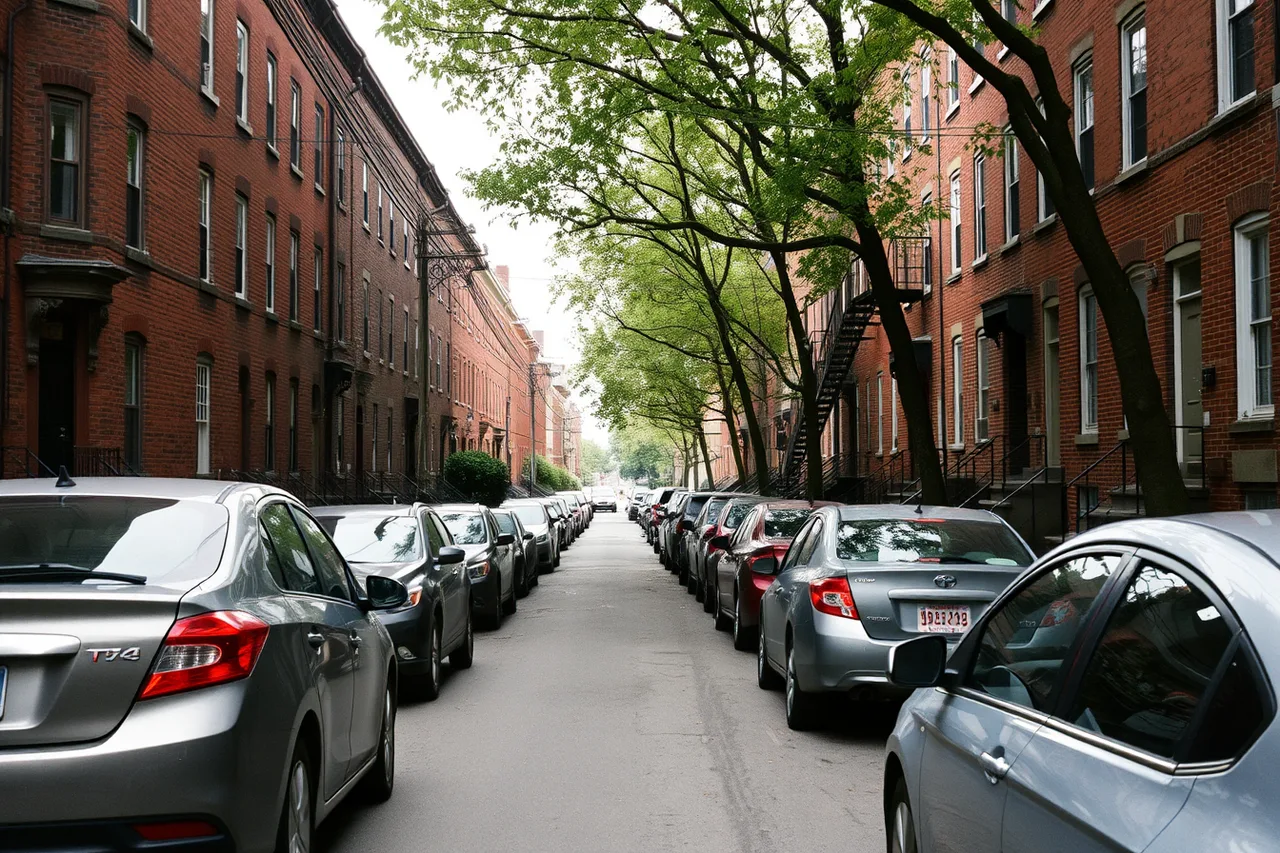
A dispatcher who treats these jobs like suburban driveway drops will fail. The container has to land in the street, in a loading zone, or in a rear alley. Each option changes the truck, the size and the permit.
Philadelphia dumpster placement also runs into overhead wires, tree canopy and stoops. Low branches can stop a hoist before the container clears the rails. Dispatchers should ask about wires and trees when the booking is taken, not when the driver is on site.
The city's older infrastructure adds another constraint. Narrow blocks often have one-way traffic, blocked corners and short turning radii. A 30 yard container that fits a Montgomery County driveway may not fit a Fishtown block at all.
Good dispatch work here is measurement work. Block length, alley width, gate width and parking density decide the job before price does.
Container sizing choices for narrow streets and tight alleys
Rowhouse dumpster sizing is a different exercise from suburban sizing. The customer's debris volume matters, but so does the space the container occupies.
A 10 yard container is about 12 to 14 feet long and fits most rowhouse blocks when placed parallel to the curb. A 15 yard box adds a few feet and still works on many streets. A 20 yard container is usually too long for a single parking space and often forces the sidewalk to be blocked.
Alley container placement is tighter still. Many Philadelphia alleys are 8 to 10 feet wide. A container placed there can trap a neighbor's gate or block trash collection. Dispatchers should confirm alley width and gate swing before promising a rear placement.
Use this sizing guide as a starting point, then adjust for the block:
Container sizing choices
Typical length
- 10 yard
- 12 to 14 ft
- 15 yard
- 14 to 16 ft
- 20 yard
- 16 to 18 ft
- 30 yard
- 20 to 22 ft
Best use on a rowhouse block
- 10 yard
- Small cleanouts, single-room renovation
- 15 yard
- Kitchen or bath remodel, small roof tear-off
- 20 yard
- Full gut, but only where a full parking lane is available
- 30 yard
- Rare on rowhouse streets, better for open lots
Heavy debris changes the math. Brick, plaster and concrete belong in a smaller container so the hoist can lift it safely. A 10 yard box full of masonry is often heavier than a 20 yard box full of framing lumber.
Placement rules, permits and sidewalk protection
A Philadelphia dumpster permit is required whenever a container sits on a public street, sidewalk or parking lane. The permit comes from the Philadelphia Department of Streets, which manages the public right-of-way under Philadelphia Code Title 11 (Streets). File a right-of-way permit application with the Department of Streets before the delivery date. Dispatchers should file early, because the approval window can outlast the customer's project schedule.
Placement rules vary by block, but a few hold almost everywhere:
- Keep at least 3 feet of clear sidewalk for pedestrians.
- Leave a clear path at crosswalks, hydrants and bus stops.
- Do not block driveway aprons, even if the neighbor says it is fine.
- Mark the container with reflective tape or cones at night.
- Confirm the permit is posted or carried before the truck leaves the yard.
- Photograph the placement from two angles for the job file.
Sidewalk protection matters on rowhouse blocks because pedestrians have nowhere else to go. If the container must sit on the sidewalk, the crew should set barricades and keep a walkway open. A blocked sidewalk invites a complaint and a re-pull.
OSHA's material handling rules under 1910.176 material handling apply when workers move, load or shift containers by hand or with equipment. Tight placements leave less room to work, so the rules matter more, not less.
Routing a hoist truck through rowhouse neighborhoods
Hoist truck routing Philadelphia style means planning for the block, not just the address. A route that looks short on a map can take an hour if the truck meets a trash truck head-on on a one-way street. Check the Philadelphia Streets Department truck route map for weight and height restrictions before the day starts.
Start with these steps:
Routing a hoist truck
- Check the block width and parking pattern on satellite and street view before the day starts.
- Group jobs by neighborhood so the truck does not cross the city twice.
- Run narrow one-way blocks first, before delivery vans and school traffic build up.
- Leave a buffer between jobs for backing, spotting and permit checks.
- Confirm the return pull before the driver leaves the block, so the container is not trapped by a new parked car.
A worked example helps. Suppose a dispatcher has three jobs: a 15 yard box in Fishtown, a 10 yard box in South Philly, and a 20 yard box in University City. The Fishtown block is one-way and narrow, so it goes first at 7 a.m.
South Philly follows at 9 a.m., when parking turnover opens a space. University City goes last, because the 20 yard box needs a full lane and a permit window that starts later.
That order keeps the truck moving and avoids a re-pull. It also follows the logic in our guide to efficient delivery routes, which applies directly to dense city blocks.
Driver and helper safety belongs in the same plan. OSHA's fall prevention campaign covers the risks workers face when climbing on trucks, containers and loads. A fall from a hoist frame is a serious injury, and wet or icy rails make it worse.
PPE is the other half. OSHA's 1910.132 PPE requirements require employers to assess hazards and provide the right gloves, eye protection, footwear and high-visibility gear. On a rowhouse block, that gear also keeps the crew visible to passing traffic.
Scheduling deliveries around parking and street cleaning
Philadelphia street cleaning runs on posted schedules, and a container sitting in the sweep lane will be towed or ticketed. Dispatchers should check the block's sweeping day on the Philadelphia Streets Department schedule or by calling 311 before locking a delivery window.
Parking is the other variable. On many rowhouse blocks, a container can only be dropped when a car pulls out. That makes early morning the best window, since residents leave for work and spaces open up.
A few scheduling habits reduce friction:
Scheduling deliveries
- Deliver between 7 a.m. and 10 a.m. when possible.
- Avoid street cleaning days and trash collection days on the same block.
- Tell the customer to move cars and to warn neighbors.
- Build a 30 minute buffer into each stop for spotting and paperwork.
- Confirm the pull date separately, since a full container may sit longer than planned.
Our notes on scheduling without delays cover the booking side of this problem. The dispatch side is simpler: never promise a window that parking and sweeping rules cannot support.
Weather adds a Philadelphia-specific wrinkle. Snow emergencies and icy streets can suspend street parking and change placement rules overnight. Dispatchers should check city alerts before sending trucks into narrow blocks in winter.
Practical dispatch fixes for Philadelphia rental companies
Small operational changes pay off fast in this market. The first is a block profile for every job: street width, parking pattern, alley access, overhead wires and sweeping day. Store it with the customer record so the next job on that block is easier.
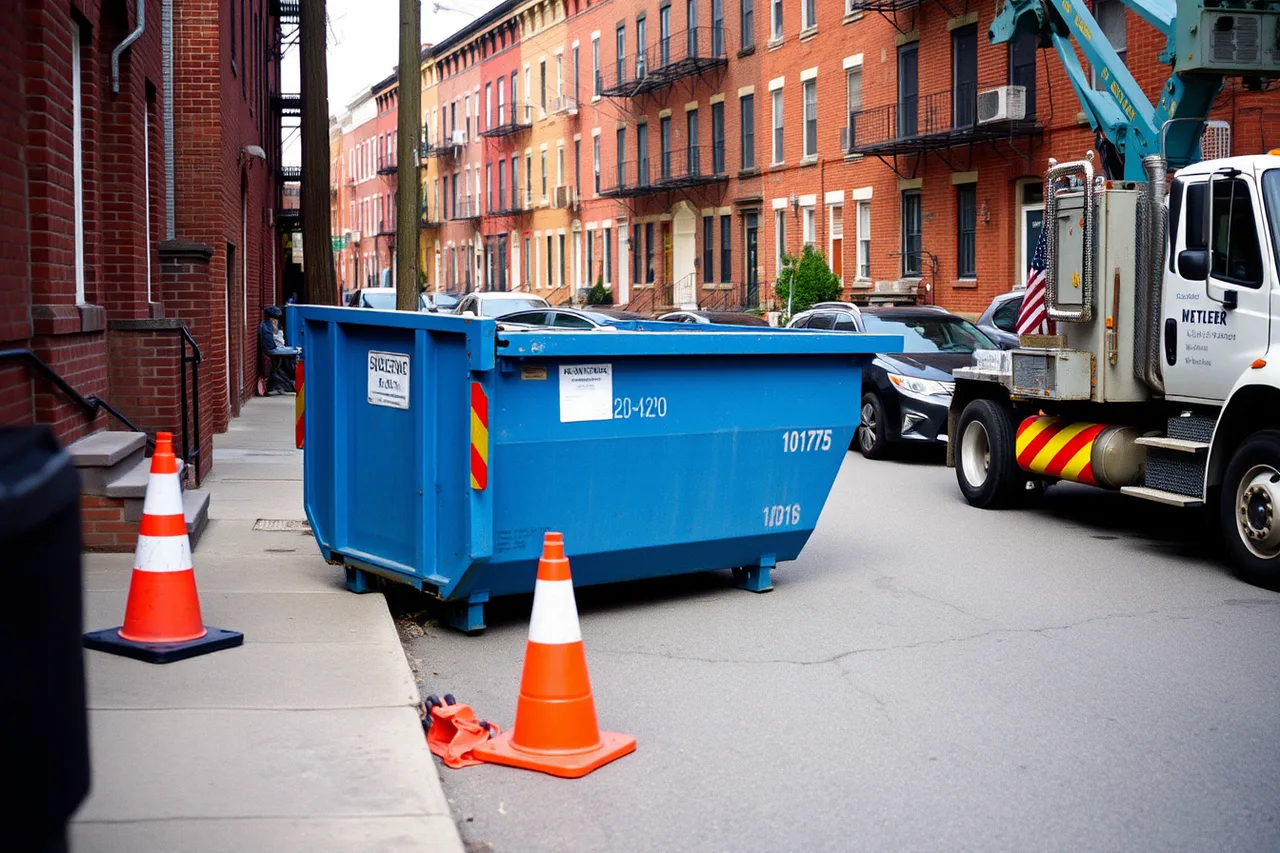
The second is a container mix that matches the city. A fleet heavy on 20 and 30 yard boxes will struggle on rowhouse streets. More 10 and 15 yard containers, plus a few small boxes for masonry, fit Philadelphia better.
The third is a daily routine. A SOP checklist for daily operations keeps permit checks, photos and pull confirmations from slipping. Our delivery and maintenance guide covers the truck and hoist side, which matters when narrow streets stress equipment.
The fourth is quality control. Supervisors should check service quality by reviewing placement photos and complaint logs. On rowhouse blocks, one blocked sidewalk can cost more than the job earns.
Construction-site placements need one more check. OSHA's trenching and excavation rules affect where a container can sit near an open excavation. Keep containers back from the edge and away from spoil piles.
Philadelphia rewards dispatchers who plan at the block level. Measure first, size honestly, permit early and route with the city's rhythm. The rest is follow-through.